Hi everyone. Sorry for the long silence, this week I have not had a moment to blog. Both Bella and James have been ill and when not busy administering every conceivable natural remedy I can think of, (see next post), I have been completing an application form for a Foundation Course in the Healing Arts that will begin in September. And joining the board of Jemima’s parent-run pre-school. What all this has taught me is: it is true what people say. How ever much I love being at home with my kids, it is quite frankly terrifying to even consider stepping back into the professional or academic worlds of deadlines, meetings, team work and the rest. Oh, and that I hate it when everyone is sick.
The combination of waking half-hourly, to the tune of coughing, crying or the strange night bird that lives in our mango tree, and staying awake when all is quiet again to worry about my incompetence at the school board meeting, failing to get onto the course I so desperately want to do, and the painful silence from editors about the variety of half hearted feature ideas I have been exhaustedly churning out… well, it has turned me into a (just about) walking, insomniac zombie.
By day I have sweated it out with Bella on my back, (sleeping lying down makes her cough), spent too long on the computer, while saying “Yes… yes…. yes? Really? Just five more minutes” to an increasingly fed up Jemima, and then losing my temper on discovering that in the absence of all parental supervision she has gone and painted a wall, given cat food to Bella and eaten all the biscuits.
By night I have let down my friends, cancelled all social plans, the mere thought of having to appear somewhere after bedtime in a presentable state filling me with further fear and loathing. My confidence needs a serious boost.
I was last seen in an office (Christian Aid) in August 2004. Actually that is not true. Last year I revamped the Save the Children Norway offices, but that involved nothing more technical than a measure tape and a lot of shopping trips to the market with someone else’s money. 2004 is also when I completed my Counselling Certificate at London University, the first step on a new career ladder that was happily interrupted by the beautiful Jemima Rose, followed by a rather inconvenient move from Winchester to Cambodia.
This morning, as I finally felt ready to send in my application, I realised I had to attach my CV as well. Last updated a few years ago, most of it seems completely irrelevant now. My areas of expertise are no longer Africa, poverty in all its guises, gender and communication, but breastfeeding, baby-wearing, child development and the best baby carrier on the market (Ergo and Hotslings). Natural health will soon be up there too at this rate.
My professional experience ends so many years ago that most of the CV is now filled with voluntary activities that have filled my spare hours since Jemima was born. Oh, with the odd published article thrown in. Ok, I have written a book, but until that is published that does not really count does it? So I have left that out. My blog? I can’t really put that one down can I? They might read it. Washing nappies? No, doesn’t sound good. An honest personal profile would deter any reader from moving further down the page. Although yesterday I did make an inspired puppet doll with nothing more than a chopstick, a round cardboard lid and some wool. That shows I am the creative type, right?
None of this would matter if it weren’t for my latest revelation, which came to me in the middle of my yoga class on Monday. I want to combine creative arts therapy with Kundilini Yoga and goodness knows what else to work with women, mothers, refugees and children. What a brainwave! Not only does it combine two big passions of mine, it is the perfect portable career which I could work around school runs etc. I bounced home to tell James about my plan. He was very supportive and positive given that this basically means several years of expensive re-training and zero likelihood of me contributing to the family income for the foreseeable future. But you see I followed him to Cambodia, and so I will always have a trump card.
I would love to hear from other mothers about their journey back into the professional or academic world, how they combine it with being at home and how they built up their confidence and caught up with all the latest lingo etc. I feel out of my depth on the school board for goodness sakes. And now to what I do best. Telling other people what to do with their babies… I’m off to write a new post on how to treat sick family members naturally.
Read this post
Friday, April 4, 2008
From nappies to nine to five... anyone else terrified of the prospect of going back to work?

Friday, March 28, 2008
Cooking with small children (as a partner, rather than an ingredient)
A friend asked me the other day what I did with Jemima while I cooked. (Remember I am living in Expatria – the land where everyone has a cook). I replied that she cooks with me of course, doesn’t everyone do that? Ok, maybe not here, but in the normal world, surely this is just what mothers do, right? Judging by the look, of surprise and vague horror, on her face, apparently not. Well of course I have to blog about this! Because cooking with your toddler is simply brill. Even for control freaks like me.
When Jemima was 20 months I hosted toddler group. Six children, between the ages of 18 months and three years, came over with their mothers and we made cookies from scratch. It was a first for me, and my friends said I was crazy, they were too young and it would be mayhem. It was somewhat messy of course, it was supposed to be. But actually we were all amazed at their capacity for concentration and staying power. They followed the process through from start to finish and were so excited when we got the biscuits out of the oven - a delightfully sticky, sprinkled spronkled pile of misshapen lumps which, of course, they found delicious. It was pretty hands off for most of us, depending on our own individual ability to resist intervention that is, something I have had to work at.
My kitchen has always been my sacred space. It has to be colourful, full of family photos and, one day, if we could ever afford it, big enough to have a table, so that it becomes the main room in the house. I am totally unimpressed by huge, shiny steel and chrome fitted regalia – give me a crumbling, clashing old cottage kitchen any day. Really, even in my tiny, rented, sweltering Cambodian kitchen with hideous glass and mirrored cupboards (cockroaches like the dark so I shall never change these), I have successfully achieved the cosy, scruffy family kitchen effect that makes me think of home, earl grey tea and toast at 4pm. You can see how important this is for me.
I tend to make a ritual out of cooking. The right music (this has replaced Radio 4, cooking used to be the time I would catch up on the world), clear everything up first, cup of tea or glass of wine… I.e. Cooking has always been about ME. Friends and family are welcome to join me, but they normally have to sit and chat while I get on with the work. I have never been good at sharing this particular task.
So, anyone who knows me well would be seriously impressed to see how happily I have learnt to share my kitchen and my cooking with children (mine and strays) and the ants, over the last few years. This really is quite some feat. At the beginning I understood why my mother’s catch phrase when we were young was “GET OUT OF MY KITCHEN!” yelled at the top of her voice when it all got too much. There were four of us… For me, it has been a gentle process, beginning with a nervous “Yes you can stir…” about two years ago, to “Come on, haven’t you cracked the eggs yet?” yesterday.
I have to say that cooking with Jemima is one of my favourite things to do. We have our own ritual now. We take turns choosing the music and she sits up on the sideboard next to the oven in her Winnie the Pooh apron demanding to be involved in every stage of the process. At 18 months she could make a huge mess with her hands, at two she could stir and pour, grate cheese and chop soft vegetables, at two and a half she could crack eggs (egg shell is good for you right?), make flour and butter into perfect pre-pastry crumbs, and stir over the hob, at three she just wanted to lick the bowl (“I’m tired of cooking. I just want to watch you and eat”) and now, at three and a half, she can pretty much make a whole quiche/ lasagne/ cake under my supervision.
It has been very good for me actually, a huge learning curve in the whole field of relaxed and empowering parenting that I am such a fan of. I am also quite strict - you would be too if your entire oven, knobs and all, heated up on the outside as well as the inside. But this is the thing – small children are capable of so much more than we imagine, if only we allow them to try, get it wrong, make a mess and keep at it. They happily take on board simple rules, such as stay away from the oven/hob or ask me first before you use a knife. (Ok, a friend did walk into my kitchen the other day to find her daughter sitting on the sideboard, flanked by Jemima on one side and another child brandishing a bread knife on the other. But that was an exception…)
All this works in our favour too. They can run errands for you! Jemima has been getting my glass of water when I find myself stuck on the sofa breastfeeding for months now. James stiffens every time he hears me ask. He hovers behind her nervously (I have forbidden him to intervene unless she asks for help) as she gets the glass jug out of the fridge and puts it on the tiled floor. Then she gets on her stool, opens the glass cupboard, gets the glass, climbs down and pours the water from the glass jug into the glass glass, on the tiled floor. Then she carries the glass across the tiles to me muttering: “Ooops, spilt a bit, ooh it is quite heavy today…” Ok, I accept it sounds slightly risky given the harsh material in our house but the point is she can do it. She is just as likely to drop the glass as I am, given how much concentration she devotes to the task compared to how careless I can be. And then she feels great about what she has achieved. Everyone wins.
Obviously cooking with your child requires more time than usual, but this can be a good thing too, if you are at home with your kids, or on a weekend, and you are wondering how to fill the day. I can turn the task of making dinner into a whole afternoon’s activity if I need to. Sometimes Jemima will get bored and wander off and do her thing, sometimes she will want me to go and do something else too, but I can usually get her to stick at it if I have to finish, by giving her a bowl of flour and water and getting her to ‘make dough.’ Bella tends to play on the floor with a bowl of water and some cups. One she stops eating everything in sight I may upgrade her play things to some real ingredients too.
If I am in a hurry I let her get stuk into something messy with her hands while I do everything else without her input. Being flexible is something else children do well, if normally given time to do things their way. Jemima understands there are times when I just have to get something in the oven quick, if I give a good reason - Bella is about to wake up, her friend is coming - because most days she is allowed to linger over what she is doing.
But generally a lazy afternoon in the kitchen with my children is a lovely way to pass the time and I recommend you try it. In our hurried lives it is very healing to spend half an hour indulging in a simple task such as mixing. They don’t put sand trays in the therapist’s room for nothing!
Read this post
Wednesday, March 26, 2008
Coping with change... or not, rather
Jemima has just stopped coming into our bed in the mornings when she wakes. Instead we find her sitting on her bedroom floor utterly absorbed in her books. In fact she spends more and more time each day doing her own thing. While I love to see her lost in her own play, I have to admit I struggle with how fast she seems to be growing up.
I have just come back from visiting my friend Tone’s new kittens. It was a beautiful sight. The mother lies still all day while her two skinny, wobbly babes scramble about her body, fumbling for milk. Their fragility reminds me of how it felt to handle my own new born babies, terrified I might do some damage with my hands – hands that suddenly seemed so huge and rough. I can’t believe how long ago that seems now. This week, time seems to be rushing by.
Having struggled for two years to get to grips with living in Cambodia, I suddenly find myself feeling incredibly happy and at home here. My Khmer is flowing, the children are happy and I am brimming with ideas about how I can throw myself back into the local community again after my year of time out with Bella comes to an end in September. (Given our mutual attachment to each other, whatever I do will no doubt be breastfeeding related.)
Yet it almost feels as though time is running out. Our contract ends at the end of next year, many of our friends are leaving at the end of this year and there are major changes afoot at Jemima’s wonderful pre-school. Buildings are being knocked down before our eyes, replaced by high rises and four storey villas. Everything seems to be changing around me and so much of it is quite beyond my control. I have no idea how I will ever thrive in this expat existence if I am so easily thrown by change.
Until recently I have always looked forward to the day we go back ‘home’ to live, so that I could resume my life. Today I surprised myself by feeling sad that we will one day have to leave this place. Honestly, I finally accept that my life is here and all I can do is worry about leaving in two years time! People say the ideal length of an overseas contract is four years. I think I probably need six. If it takes me two to settle in and two to prepare myself for saying goodbye, I’d jolly well like a couple of years in the middle just to be here, no looking back and no looking forward.
Then of course there is Jemima. I often wonder how she will be affected by all this. Will she care that her friends are leaving? Should she care? Should I be relieved that, so far, she does not seem to mind it much? Or worried that this is a sign she is already protecting herself and will probably have life long issues with forming attachments? (Oh goodness this should be a cry for help post on an expat mothers’ forum – if any of you out there are reading, please do share your experiences.)
At least Bella is too young to absorb much of all this, though she too is growing fast and definitely on the move. Last night I woke to find she had crawled out of her cotbed and was sprawled over my body, just like the kittens, fumbling around for some milk. It made me think – those kittens are just a few days old. It takes a human baby many months before they can move themselves towards their mother. Hmm, I could easily go off on another of my ‘this is why attachment parenting is so important’ rants here but I won’t. This post is rambling enough. I will publish it anyway though. That’s the best and the worst of blogging, depending on who is reading it.
Read this post
Friday, March 21, 2008
Tantrums...
I can’t decide what to write about today. I have been sitting here for a while now, pondering what might be interesting for you to read. It is nearly time to get Jemima, I have eaten most of the biscuits I brought back from the UK for James but have yet to write a word. Ho hum. The children in the garden are distracting me.
I have written about our Khmer neighbours before – here. They are very lovely and, we discovered recently, very rich. Yet their children come here every day to play with our things because they have no toys in their tiny house. And their three year old boy has been having tantrums several times a day, every day, for over a year now, because he hates cold water baths and his mother leaving for work. Actually that is what I shall write about. Tantrums.
Since I wrote that mind blowing first paragraph I have been chatting with the neighbours. (I know, I really am procrastinating. I now have 30 minutes to write something coherent. Ok. To work). But I am so glad I did. I just wish I had done so a year ago. Every day I have listened to him scream and thought about going over and sharing some of my own experience with dealing with tantrums, lending a book and offering to help. But I have been so worried about offending them that I have let my Britishness hold me back. Just now I realised that the boy’s lovely mother was extremely open to any kind of help and advice I could offer. Of course. So would I have been. Damn it. I may have been able to save a lot of emotional damage if only I had been more proactive.
All I did was ask how Tom Tom is doing and what they do when he cries so often, so bloodcurdlingly (I did not use that term!) and for so long. She said that she or her mother held him and tried to calm him down. Then I showed her my Science of Parenting book (Margot Sunderland, my bible) and explained to her in KhmEnglish what I had learnt from it when Jemima was having tantrums.
Very briefly, Sunderland looks at the causes of ‘bad behaviour’, such as poor diet, tiredness, emotional immaturity and lack of attention. She also distinguishes between two different kinds of temper tantrums.
She calls one the ‘little Nero’ tantrum. This is usually controlled, articulated rage without tears, aimed at controlling or manipulating us. These should be ignored when possible, to prevent rage becoming an ingrained personality trait. The parent should then try to consider why the child is behaving this way and consider ways of breaking the habit (i.e. time in, teaching them acceptable ways of expressing anger – punching a pillow etc).
The other is a ‘distress tantrum’, triggered by strong feelings of loss, disappointment or frustration. These often involve uncontrollable tears and screaming - expressions of genuine pain. These must not be ignored. Sunderland explains what is going on in a child’s brain when these tantrums occur. She describes a situation:
“Two-year-old Ben [is] writhing on the shop floor because he had set his heart on shoes that did not fit, is in emotional pain. One of his brain’s alarm systems has triggered, and stress chemicals and hormones are flooding his body, making him feel dreadful. He needs comfort.” (Pg 123)
In these instances it is our responsibility as parents or caregivers to help our child cope with the overwhelming emotions he is experiencing, by holding them close, calming them with our own bodies, and trying to help them understand the pain they are suffering and what caused it. If we ignore their pain or punish it, we are simply teaching our child that their feelings are not worth expressing or attending to. We also create increased stress and pain that could cause permanent emotional damage.
I have followed this advice with Jemima and found it extremely affective. I’ll just tell you about Jemima’s first full on tantrum, because despite being very upsetting, it was also extremely illuminating. She was about two years old and by chance I had just been reading Sunderland. I did as she recommended and here is what happened.
It was Christmas and Jemima was totally over-excited, having spent several days with all her cousins and aunts – I think there were fifteen of us in the house. She had gone to bed far too late for several nights in a row, and the general excitement of presents, family and too much lovely food was getting to her. (I.e. all of Sunderland’s advice re sleep and food had gone out of the window long ago.) One day after lunch I told her she was going to have a nap. I scooped her up, gave her a cup of warm milk and her blanket and was about to carry her upstairs. Jemima however had other ideas. She had been in the middle of a game with her nine year-old cousin Claudia, who is probably Jemima’s favourite person on the planet, and, well, let’s just say she lost it… big time.
She kicked and screamed and by the time I got her upstairs I was exhausted. She was so frantic and hysterical I thought maybe I was making it worse and that if I put her down on the bed for a minute she might calm down. When I did this she just kicked and screamed even harder, punched the air and, the most heartbreaking bit, grabbed her hair and pulled at it very, very hard. It was quite scary actually. It was definitely the most upsetting moment of our lives together so far to see her so out of control that she was causing herself pain. I immediately picked her up again and took her to look out of the window to try to calm her and distract her. I just held her and made soothing sounds for a few minutes while she very slowly calmed down. I did not say anything – she was too upset and confused to absorb any words. Only once she was calm enough to listen to me, did I talk to her, still holding her tightly while she wept into my neck:
“You are very cross with Mummy aren’t you?”
“Yes I am” she sobbed. “I don’t want to go to bed”
“You want to play with Claudia” I continued.
“Yes. You did take me to bed and I did get upset ‘coz I did want to play with Claudia”.
“I am so sorry. I know how much you love being with Claudia and I promise you can spend the rest of the afternoon with her after you have had a rest. But I can see how tired you are and I know you need to sleep. I am so sorry I upset you so much. Do you feel any better now?”
“I feel a bit better”
After this she just collapsed into my arms on the bed and hugged me tightly and said: “I need you Mummy. Just lie down with me”.
It was so awful to begin with and yet it ended so positively that I could have kissed Margot Sunderland right there and then. I would not have known about helping Jemima to express what she was feeling had I not read about it first. And it soon stopped feeling as corny as it sounds. I appreciate that it was greatly helped by the fact that Jemima was able to express herself well then, but even if the child is not yet talking, they understand a lot so it helps to express out loud what they are feeling. I hate to think how differently this could have turned out had I just thrown her on the bed and walked away, and how many more tantrums she might have had since, out of frustration and inability to cope with her own very strong feelings. There were more of course, but she never pulled her hair again. Sunderland’s advice made me realise that this was not a fight between me and my daughter, but a genuine crisis for her, one which I had the power to help her with.
Anyway, this post has become very long and rambling after such a slow and laborious start. I shall let you know how Tom Tom gets on and leave you to enjoy your Easter eggs!
Read this post
Wednesday, March 19, 2008
Night waking is normal... sleep training for mothers
Yesterday I woke up feeling rather desperate after another night of incredible activity. Bella woke so many times I lost count. She is teething, so unlike the usual quick cuddle or feed back to sleep, she stayed awake for ages each time. In a panic that she will never ever sleep through the night I posted a question on my two favourite forums, www.iwantmymum.com and the Continuum email forum: Has anyone successfully trained a co-sleeping babe? The answer was no. I am so glad I asked.
I am serious. The responses I received restored my faith in what I already knew to be true: 1) that babies are supposed to wake at night and 2) that eight months is way too early for sleep training. I just needed reminding.
To spend long hours in a deep, lone sleep may be desirable for western parents but it is not a natural state for a baby. It is the result of being placed far away from human warmth and physical contact and, as expert James McKenna clearly explains below, is biologically entirely inappropriate for several very good reasons:
“(Physiologically): Born with only 25% of its adult brain volume the human infant is neurologically the most immature infant primate of all, the slowest developing and the most reliant on its mother for the longest period of time for physiological regulation and support. Indeed, nothing that a human infant can or cannot do makes sense except in the light of the mother’s body.
(Breastfeeding): Human infant milk composition, characterised by its low protein and fat content and high lactose, necessitates short intervals between breast feeds making human mother–infant co-sleeping not only expectable but biologically necessary.
(Security): Moreover, mammal infants whose mothers leave them to sleep alone in nests neither cry nor defecate until she returns (to lick them) so as not to attract predators. Human infants cry and defecate spontaneously when their mothers leave indicating that the constant physical association between them is evolutionarily stable and appropriate.
(SIDS): The supine infant sleep position evolved in tandem with both breast feeding and mother–infant co-sleeping (an integrated adaptive system). It was only after breast feeding was replaced by bottle-feeding and solitary infant sleep environments replaced maternal–infant social sleep that recommendations to place infants prone (i.e. on their stomachs) for sleep made sense, or was even possible. But it was a tragic mistake that led to the deaths of thousands of Western babies from SIDS. Several studies show that without instruction, the supine infant sleep position is universally chosen by the breast feeding–co-sleeping mother as it is extremely difficult for the breast feeding infant to move to initiate and receive a breast feed while sleeping next to its mother on its stomach, the most dangerous position for an infant to sleep. Western parents paid a big price to learn that!”
I have already written about co-sleeping here and here and you can read the whole of Mckenna’s argument at http://www.naturalchild.org/james_mckenna/cosleeping.pdf. So rather than extol the virtues of co-sleeping again today, I just felt like saying how lovely it was to receive so many responses that reminded me that allowing my baby to do what comes naturally to her, waking to feed or cuddle, is the best thing I could possible give her right now.
The usual reaction to my confession that my eight month baby wakes every two hours at night to feed is: “What are you going to do to change this?” When I say “Nothing, look how happy she is!” I feel that somehow this is not the answer they were looking for.
“But what about you?” they reply. And they are right. As caring friends they remind me that I need to look after myself. I do tend to look exhausted and sorry for myself when I talk about Bella’s sleeping habits, so I can hardly blame them. This is where another response came to my rescue: sleep when your baby does, rest when you can, concentrate on as little else as possible other than your baby. (I.e. Bella is not the problem, I am!)
I felt ashamed when I read this response because this is advice I am constantly giving out to other mothers, but have ceased to practice myself. I have written a whole bloody book about letting go, and allowing my baby to lead me; about giving up control and living in the moment, for me and my baby’s sake. Four years ago I chose not to earn any money for the foreseeable future in order to allow my children to develop as naturally and peacefully as possible. And yet here am I considering training my baby out of her natural, biological, behavioural patterns for the sake of a good night’s sleep, so that I can carry on with life as normal!
I have learnt a lot of lessons today, which both Bella and I are going to benefit from. She will be able to carry on as normal and I am going to enjoy the moment instead of worrying about the future. Beginning right now. I'm off for a nap.
Read this post
Friday, March 14, 2008
This ex-pat life for our children... living more locally again
On Jemima’s first day back at school after our visit to the UK I discovered that two of her closest friends are leaving Cambodia in June – to Iceland and Azerbaijan. Her other great play mate already upped sticks to Madagascar in February. Oh, and her long-term friends, the twins, are headed home to Canada in August.
I admit a bit of me finds all this terribly exciting – her childhood seems so exotic at times. But my main emotion is that of a fiercely protective lioness who simply must protect my daughter’s fragile heart... and mine for that matter. As my friends told me of their plans to leave I could hear another voice in my brain telling me: “Start to have less play dates now! Emotionally prepare! Loosen the bonds gently!” (This is the problem with the ex-pat lifestyle – never tell anyone you are leaving more than a few weeks before you go or you will be friendless for the last months of your stay.) No, I am not really planning to abandon my friends before they leave, but I have actively started filling her life with more permanent pals as well.
The street kids have come in twice this week already to play with Jemima and the neighbours' children are here every day again, as they used to be before Jemima started school. There is also another big change in our daily life. Srey Mach is no longer working with us. This is a long story which would not be fair to share here. We miss her but now have a lovely, older woman Sophy, mother of two older children, working for us instead. Not only is she a calm, quiet, grandmotherly type who helps me keep the ants under control (they are marching over my keyboard right now, the little bloggers) and adores Bella, she speaks no English and loves tea. The result of all these changes is that our lives have come to feel a lot more local lately, and my Khmer is improving dramatically.
I ought to explain that I do speak Khmer, though many who have heard me might beg to differ. I can travel around the country, direct a Tuk Tuk, shop, chat, enjoy a conversation with people on the streets, and talk on the phone. Actually I really love the language, but I do find the tiny and subtle nuances between ten different words with ten very different meanings hard to grasp. I was thrilled to hear that Khmer was ranked one of the hardest languages in the world recently. So there is a reason to put it on my CV after all! I have been wondering how I can justify showing off my prowess at a language so utterly useless anywhere else in the world but here.
Seriously though, after giving up the lessons when Bella was born I was getting increasingly frustrated at having to stop a conversation as soon as it started to get interesting because of my limited vocabulary. I also wanted to improve my pronunciation so that I could be understood by the foster mother of the children we support in Takeo province. (In the provinces people tend to tell me they do not speak English when I start to speak to them in Khmer. Of course at the same time they cheer and clap when anyone manages a mere Sok Sabai! They run around saying “The Barang speaks Khmer really well!” even if that is your only word. I do love Cambodians!)
So I had my first lesson in ages yesterday and am back on track. Hoorah! I have a brilliant new teacher who started to correct me before he even shook my hand. It turns out there are some words which I have been using every day for two years which I do not say quite right. This man is a perfectionist and I could not be happier about that.
Sophy joined in my class - mainly because this week I asked if we could devote my lesson to the long list of things I wanted to express to her. After watching me mess about with about various concoctions this week (ginger water for a natural antibiotic, olive oil and garlic for ear infections, olive oil and citronella massage oil for mossies, olive oil and lavender for bedtime, chamomile tea for bottom washing…) she has asked me to teach her how ex-pats look after their children. Obviously I am taking this opportunity to tell her how I believe ex-pats should look after their children, being the objective and nonjudgmental woman that I am. So lessons in natural, positive, attachment parenting here we come! We must have made a funny scene yesterday. A tiny Khmer man and a tiny Khmer woman, both in their 40s - ooh, I wonder if he is married? Sophy kicked her useless husband out long ago… - sorry, where was I? Oh yes, a tiny Khmer couple with a huge white Barang repeating and translating: “Carrying babies is very good for their emotional and physical development!” and “Chamomile tea is very good for nappy rash!”
Long may it continue! Next week I shall ask him to teach me how to proselytise about breastfeeding. And the week after that we need to get Jemima on board... though that is another struggle altogether, to be posted about sometime soon. Off to get her from school now. Have a great weekend everyone!
Read this post
Wednesday, March 12, 2008
Some Julia Hollander inspired ramblings
I have just been reading the feedback to Radio 4’s Woman’s Hour programme on Maternal Ambivalence – (you can Listen Again to it here) and India Knight’s related column about Julia Hollander, a mother who has written a book about giving up her five-month old disabled daughter. Knowing very little about it all, not having read the book or been able to successfully Listen Again (abysmal internet connection), I do not feel qualified to comment. How could I, happy mother of two easy children, possibly presume to understand what she has gone through? But I cannot deny that the story has got inside my head and made me terribly sad.
My gut instinct agrees with some of what India Knight says about it all (makes a change, agreeing with something written in the Times): I am finding it very hard to empathise with a woman who has chosen to give up her baby daughter – younger sister to her older, ‘normal’ child -, remove all trace of her from the house, and then write a book about it.
It is also the media portrayal of her ‘bravery’ that I am uncomfortable with. While we should not judge a woman for her decision about what she feels is right for her and her own child, surely glamourising the abandonment of a child who was born disabled (from an older woman who must have been well aware of the risks) is simply promoting the conventional western belief that to give birth is a right we should all be entitled to, and that when we have done so, our needs as parents rank above those of our babies. And Hollander’s deed aside, the fact that she is now famous because of it troubles me.
Perhaps I am just bitter because, for the same reason that my book, encouraging positive, relaxed parenting, will never get published, it is a well-established truth that if you have had a miserable life experience you will have no trouble selling it! In my most desperate moments I have wondered about this – could I publish stories about the darker moments of my life? Would that not just be exploiting someone’s pain? I suppose I would always have to be guided by whether or not anyone would be helped by it. As a writer I believe in the value of sharing our life experiences and stories, but I also believe some things should remain unpublished, or at least, not for sale. I imagine Hollander expected that she would be helping other parents of disabled children for speaking out about the lack of support, but judging by some of their comments, it seems she has just alienated them for doing something they could never contemplate, and then making money from it.
Anyway I shall spare you any further ramblings on the subject, though I am interested in your views. I thought I would share the link because it is an interesting subject and followed by more discussion about post-natal depression. The overwhelming feeling as I read everyone’s comments was immense relief and gratitude. It was just one more reminder that I live in a world so full of suffering – and here in Cambodia it is laid out right in front of our eyes – and I am one of the lucky ones. So remind me, next time you hear me grumbling about my travelling husband, my wakeful baby, or never getting published, that my life without the first two would be hardly worth living, whereas the latter would really not make much difference at all.
Read this post
Friday, March 7, 2008
Travels with my children (2)... thank heavens for my breasts
Yesterday I breastfed Bella about one hundred times. This is a calculated estimate, not a wild exaggeration. Honestly, I don’t think she left the breast for longer than about 20 minutes at a time all day. This is not entirely her fault, I should say. It is quite true that my answer to pretty much any sign of discomfort with my babies has always been to try the boob. She has had a very snotty cold for nearly a week now and as a result I have found myself sofa- or sling-bound with boobs on permanent stand by. I simply cannot imagine how people cope with a sick baby if they are not breastfeeding.
And the same goes for so many other aspects of attachment/continuum parenting. My trip back to the UK, alone with two children, would have been hell were it not for breastfeeding, baby-wearing, co-sleeping and baby-led weaning. Actually it simply would not have been possible. As it was I had one baby on my back, one toddler walking, her own small rucksack on her back, and holding on to the strap of one small wheely suitcase, while my hands were occupied pulling said suitcase and carrying my hand bag (you know what I mean – I don’t actually have a hand bag, but my shoulder bag whatnot thing filled with all sorts of things I should have left behind – really, I carried four copies of the Guardian Weekly and a thick novel around with me for three and a half weeks. I finally read the papers in an airport delay on the way home, and the novel is waiting by my bed) … oh and an inflatable booster seat thing that folds up small and straps onto chairs to act as high chair. I know that was a long sentence - it was a long trip.
This was all perfectly manageable, provided Jemima was in a good mood, until the moment we stepped inside the underground/train/bus/plane and started to overheat because I had cunningly dressed all of us in most of our clothes so that I could fill the suitcase with eco-disposable nappies that you can’t buy in most corner shops. Inevitably we would emerge from the underground/train/bus/plane with ten items of clothing tied around waists, onto suitcase handles, hanging out of the sling pockets, and me wearing Jemima’s rucksack on my front. Depending on the length of the walk then necessary to reach our final destination all our layers would then have to be put back on again… arrrggghhhh just writing about it exhausts me.
I suppose had we been able to afford to hire a car, take regular taxis, not cared about eco-nappies and not have friends and family strewn inconveniently across the entire country then this trip would have been a little easier. But had we needed to add travel cot, bottles, formula, a buggy, jars of baby food, baby toys and dummies (the latter two replaced by having fun looking out of sling, and my boobs, respectively)… to the equation, well I would never have left the house. The fact that Bella could eat whatever we were eating, could feed whenever she was hungry wherever we happened to be, and we could all share one bed made the whole thing possible, and more likely to be invited back.
So was it worth it? Absolutely. We got to spend lots of time with nearly all members of both our families, and my two friends with their new(ish) babies. I could not manage the expat existence without these regular trips home, so I would happily do the whole thing again tomorrow. Even Jemima agreed. I asked her after collapsing onto the tube one evening. She was exhausted and sobbing because she had had to carry her rucksack for five minutes more than she wanted because I simply did not have a hand free to take it from her.
“Jemima? Do you enjoy these trips back to England to see family or are they just too tiring?”
“I enjoy it!” she sobbed dramatically, “I really enjoy it!” I made sure the following day was a quiet one.
There were a few hiccups along the way. After arriving at Bangkok airport the night we left home, where we were due to wait for three hours before boarding our 12 hour over night flight to London, Jemima managed to shut her hand in the lift door. The doors jammed half open, her hand acting as an indestructible wedge. She screamed for what felt like three minutes before I could finally slide the doors to release her hand. Her fingers were squashed flat a la Tom and Jerry but no harm was done. Having no arms free to lift her, as I was pushing an overloaded luggage trolley, I had to convince her to walk with me to the lounge where I was planning to plead my way in.
Have you ever been to Bangkok airport? It is huge. So we walked side by side, Jemima howling with pain and exhaustion (it was 11pm), stopping for cuddles along the way, for about 15 minutes, while helpful passers by threw me disapproving looks because I obviously did not love my children very much to be putting them through all this. Her tragic condition did secure us a nice sofa and all we could eat for free in the first class lounge though. Good old Thai airways, BA would never stoop so low. Of course this brought us more unwelcome peers from above the laptops of some fifty be-suited business men. Apparently it is not customary to have to share your air mile privileges with a stressed out mother changing her baby’s nappy on the plush velvet sofa while her unruly toddler spills cake and hot milk all over the carpet. We blagged our way in on the way back as well :-).
I also nearly lost Jemima in the London Underground at one heart stopping moment. She simply stepped out of the doors at the wrong stop and luckily they stayed open longer than usual so that I could grab her and pull her back in. I cannot think what I would have done otherwise. She had no name tag or mobile number on her and I had not even discussed with her what we would do if she lost me because that simply was not going to happen. Oh god… Having Bella on me meant that I could have easily jumped out with her of course. If she were in a buggy? You see? Slings are gold dust. I love them like other women love their shoes. So much so that I now have the updated Ergo, softer, cosier and cuddlier, in beautiful blue to add to my collection. Another reason going back to the UK was such a good idea.
Read this post
Thursday, March 6, 2008
Doing nothing...
I am sitting on the sofa doing nothing. Well, I was until I decided to write about it. I have spent the last hour sitting here with a poorly Bella asleep on my lap, watching Jemima play with her friend Marina. I admit it was not easy to resist the urge to move Bella from my lap and go and tidy up/check emails/think about dinner, but I stuck with it and it was great. Just sitting still, holding her, watching her sister. It reminded me of the title of the great book by Naomi Stadlen What mothers do, especially when it looks like nothing.
After an hour of marvelling at the creative capacity of three-year-old girls to make up exciting games out of nowhere, using more or less no props, and at the softness of a baby’s cheeks, I decided I badly needed a cup of tea, some bite cream (the mosquitoes were making the most of my inactivity) and a pee. Now I have returned to my spot, the girls are outside, both dressed in several layers of Jemima’s clothes, hats and carrying bags – a couple of true expat kids, they are on the way to the airport. Bella is on the sofa still asleep and I shall continue to do nothing – or at least write about doing nothing.
Two new mothers, both dear friends of mine, recently reminded me of what my life was like when Jemima was a baby. I wrote a whole book about it for goodness sake! As I watched them both just hanging out at home with their babies, cuddling, feeding, changing nappies, reading, sleeping, thinking, I realised how full my life had become recently. So I have resolved to spend more time doing nothing with my girls – it is after all when they are at their happiest.
Two other friends of mine have just seen their last child off to school for the first time and they have reminded me just how quickly time flies. I know I must make the most of the chance just to hang out with my girls, watching, listening, photographing... imprinting these days firmly in my memory forever, and in the albums for when the memory fades. I am incredibly fortunate to be at home with them (though it must be said that I would live in a shed and grow my own food rather than go to the office and leave them in the care of someone else) and I am lucky to have an age gap that allows me frequent time and space with Bella while Jemima happily entertains herself alone or with friends.
“You are sure it won’t be too much?” Marina’s mother asked. On the contrary, having a friend over for Jemima frees me up to do whatever I need to do. Play dates are brill!
So I plan to sit here until Bella wakes. She can keep me company while I cook dinner – what’s the point of doing it alone now? The ants that I am watching march in through the front door and across the walls will have polished off the girls’ biscuit crumbs and left again by the time I move anyway, far more efficient than me getting up and wasting valuable energy. The editor I was going to call will only say No, not interested… I can definitely do without that right now. The Khmer vocabulary I need to learn has waited six months already, an extra day can’t hurt. The toys can be put away at bed time. My sister has a postcard on her fridge that says: “A tidy house is a sign of a wasted life”. Too right. The nappies can fester.
The only thing that stops me from feeling entirely comfortable with my plan to do nothing is that I live in a country full of desperate people in need of help, in a city where voluntary opportunities abound. I have always filled my time with good deeds – in my former NGO career before children and since, as a volunteer with my children tagging along too. Ever since Jemima reached about three months, naptimes for children have always (mostly) meant me doing something worthwhile (mostly). I don’t want to do anything for anyone else right now, but there is a voice in my head saying I ought to. I think the best way of getting round this is by inviting the street kids in to play again. That way I shall have to be at home to watch them and they will have some sacred fun time just to be children for a change. Yes, that’s what I’ll do. Tomorrow. I’ll just get another cup of tea first…
Read this post
Wednesday, March 5, 2008
Mud glorious mud: my English holiday
I am back in Cambodia and finally getting my act together. It is hard to discipline myself to sit down and write again after a month’s holiday - well, if you can call carting two children around England a holiday. Actually, in retrospect, I can. Chronic exhaustion aside, I had a brilliant time and so did the girls. Crisp blue skies and freezing winds, what a perfect break from our life in tropical Phnom Penh.
I loved watching Jemima run up and down the Herefordshire hills with her gaggle of cousins, jumping and cracking through icey puddles to squidge around in the mud beneath. Ah! Call me a romantic but this is my idea of a perfect childhood. Hot sun and outdoor swimming pools may sound glamorous but surely, for a child, it just doesn’t get better than mud.
Every day I was amazed at how much energy Jemima had and how much more exercise she could cope with than she ever gets here in PP. She only ever wanted to leave the swings/hills/woods when she had lost all feeling in her hands and feet, and only then she had to be lured with promises of thawing her nose over a cup of hot chocolate and a plate of hot buttered crumpets. As a friend remarked yesterday, the English don’t half do Winter well!
In Cambodia we often sit around the table at 4pm and have a traditional English tea with cake, biscuits or toast and marmite. It feels good because it reminds us of home but really, in the sweltering heat, it just adds to our lethargy rather than fuelling us for our next venture into the bracing winter weather. And that is what it is all about, for me anyway. When people ask what I miss most about home the answer is easy: ‘Weather!’ I know we are famous for talking about it all the time, but if you go there you really will understand why. There is just so much to say about it!
In England one’s entire emotional and physical state is quite likely to be largely ruled by the weather. We complain about it but without it I somehow feel only half alive. Be it battered by winds, drenched in a down pour, depressed from days of drizzle, uplifted by a much awaited glimpse of the sun, baked on a rare scorcher of a summers’ day, or tingling with tummy butterflies when the Autumn rain brings the smell of wet leaves and the new school term… I miss being at the mercy of the weather. Here it has taken me two years to notice the changing of the seasons, so imperceptible are they. (Not that this stops people talking about it actually – weather chat is not particular to the British after all. Here I find my Khmer friends say one of two things every day, each time with varying degrees of astonishment: “Oh it is so hot today!” and “Oh, it is not so hot today!”)
So yes, England was great. But I am very happy to be back. Not least because… it is not so hot today, and has not been since I arrived. And this is important because unfortunately in Cambodia it is not so much me but my poor family who are at the mercy of the weather. As April looms, the hottest month here, I can see James is already preparing himself and the children for the inevitable onslaught of foul language and a total intolerance of any kind of physical contact unless attempted immediately after a cold shower, or in the stream of a powerful fan.
But until April comes at least, we are happily reunited and I am extremely grateful for the extra pair of hands that comes with having a partner. Every day in England I said a silent thank you for James. Once again I have been made to feel awe and empathy for single mothers or fathers. The energy I loved seeing in Jemima also drove me completely crazy several times a day – conveniently when anything had to be done. Getting dressed/undressed/ready for bed was fraught with negotiations and physical grapples as I dared interrupt my frenzied, bed-bouncing daughter from ‘just having fun, Mama!’ Leaving the house required more patience and positivity than I could muster without the help of my weekly Kundilini yoga practice (this I badly missed - it makes me a much nicer mother and far more effective negotiator… but more on that another time). Suffice to say trying to catch a toddler who needs to put on roughly ten different items of winter clothing - the novelty of which wore off on day one of our 25 day trip - while staying in a house with four floors is not an enjoyable experience, however much you are in touch with your third, naval ‘power’ chakra. I am a lot fitter as a result though, to look on the bright side.
I have lots to say about the trip – how the trusty sling and baby-led weaning made the whole thing possible, some airport and London underground adventures and how right I was about my health visitor fears, – but it will all have to wait… Bella summons.
If you liked this post read this.
Read this post
Saturday, February 16, 2008
Contented Mother... (6)
This is from Chapter 5 on sleep. It is a favourite with my readers. This is the beginning, before it all went pear-shaped, when we buckled under pressure and tried sleep training. And then I write about the whole co-sleeping experience. But for now enjoy the positive stuff...
Over the last two years Jemima’s sleeping has been one long journey up a very steep learning curve. It is in this aspect of motherhood that I have felt least confident in what I was doing and in what I was being told to do. This does mean that we pretty much tried everything and learnt a lot along the way, but it feels pretty messy when I look back on it all. Of course you could say that by the end of the first year all of this becomes pretty irrelevant – since then she has slept like all nearly all other toddlers I know – usually through the night, with a long nap after lunch. But as they say, it’s not the end result but the getting there that counts. Our sleep adventures show just how hard it can be to stick to your guns in the face of peer pressure, and how easily you can lose touch with your instincts. We cocked up several times but lived to tell the tale. It’s kind of a long story, but then again I don’t think I have ever heard parents talk about anything in as much detail as they do sleep. Who can blame us? If our kids aren’t getting any then nor are we! It’s a pretty important subject.
Lazy bones
Jemima’s first few weeks were a haze of long sleeps on the sofa or in the sling during the day, short naps on James’s chest in the evening and then she would come to bed with us at about 11pm. She would sometimes settle in the Moses basket to begin with, if she was already asleep. Then I would wake up to hear her stirring and bring her into bed for a feed.
Those night-time feeds at the beginning took about an hour, sometimes two. Sometimes I would put her back in her Moses basket but often we would just cuddle all night. I remember it was roughly sleep for three hours, feed for one and half, sleep for two, feed for one and a half and then she would wake at about 7am. I would feed her again and hold her or lie her on the bed next to me until she went back to sleep again and we would often stay that way until about 10 or 11 am. So although the nights were very broken I was getting lots of sleep and spending ten to 12 hours resting in bed each night.
As I have said a thousand times already, I recommend this to all new mothers. Even now, when we get the occasional disturbed night but have to get up and go in the morning because I am working or Jemima has play school, I look back to those days with longing. Spending the mornings in bed is a luxury that is also unlikely to be possible the second time round. Not only did this help me catch up on sleep, and help us to bond, it also taught Jemima to go back to sleep easily in my arms. Whether or not this is a result of those lazy mornings in bed I do not know, but, whatever time she goes to bed, Jemima never gets up before 7am, and it’s usually more like 8 – 8:30am. If she does wake at 7 she often sends herself back to sleep for an hour. This is great for weekend lie-ins and, I have since discovered, common behaviour for babies who sleep with their parents. She is also a very flexible sleeper, perhaps after having learnt to go back to sleep when I do, or perhaps she was just going to be this way anyway. If we have to get up at 7am one day it is not an issue - for her I mean. For me getting up in the morning at any time is an issue. However, if we have a big night and she stays up a bit later (she loves a party) she will sleep in until 10am which makes holidays much more restful.
To begin with I loved the whole night time experience and not being tired helped enormously. Sleepless nights are easier to cope with when you have a miracle new baby in your arms. I would watch her feed in the middle of the night, with James sleeping by my side, and experience emotions so intense they were almost unbearable. Childless folk will laugh at this but ask any new, breastfeeding mother and I bet nine out of ten of them would say the same thing. It’s those hormones again. Of course we are soon longing for a whole night’s undisturbed sleep and I pretty quickly stopped gazing at her and tried to sleep while she fed.
James had an easy time of it too. There were mornings when he actually dared ask: “Did she sleep through?!” If he didn’t have to get up and go to work, while I had a lie in with Jemima, I would have been seriously unimpressed with this question. On nights when she would not settle in her Moses basket from the start we took our midwife’s advice and just put her in the middle of us, on top of the duvet so that we would not roll on top of her or smother her with the covers. I slept so lightly when she was with us that the slightest movement James would make would alert me to how Jemima was. Once I woke up to see James rolling over and Jemima, because she was on top of the duvet, just rolled over with him into my arms. Sleeping lightly wasn’t too much of a problem for me because not having to get out of bed meant that I never woke up properly so would fall back asleep easily. The hormone Prolactin, released when breastfeeding, helps mothers to quickly fall back into very a restful sleep. I later discovered we were part-time co-sleepers, but at the time it was just what worked for all of us and we continued like this for several months.
Somewhere in Jemima’s second month I woke one night to hear her waking up in her basket. I reached out and laid my hand on her and the next thing I knew it was morning. I still do not know why I decided that night not to pick her up straight away. Perhaps it was sheer exhaustion. It just felt right at the time and when she did not cry I went straight back to sleep. This became a regular thing. She would wake in the night and I would hear her making noises and then she’d send herself back to sleep. I have no doubt that for Jemima, hearing, feeling and smelling us close by was enough for her to lull herself back to sleep. It was the beginning of our most restful period of parenthood until now. She was sleeping through! She would be awake most of the evening which suited us fine as she just lay there while we had dinner or got on with whatever it was we were doing. This also gave James more time with her. It also meant we could go out to dinner with her, something that becomes far harder when they get into their early bedtime routine and you have to worry about babysitters etc. Then she would go to sleep with us, at about 11pm and not wake until 10am. I was getting more sleep than before I had her.
At the end of this chapter...
Ten lessons learned about sleep
1. Enjoy the early months when all my baby does is sleep – wherever she happens to be.
2. Accept that babies are famous for sleeping badly! They have shorter and lighter sleep cycles than adults and it is normal for them to wake two or three times a night from birth to six months, once or twice from six months to one year; and may awaken once a night from one to two years.
3. Remember that they all sleep through eventually, whether at one two or three years old. The exhaustion will pass, even if for some later than others!
4. Babies want and need to sleep with their parents. We should all give it a try as emotionally-responsive adults willing to put our needs second to our babies. If it doesn’t work for us we should make every effort to make our baby feel calm and safe in their own bed, and always welcome in ours, if only for a cuddle in the morning.
5. Rubbing of eyes is not a sign of being ready to sleep but of over-tiredness. Try to anticipate the rubbing eyes stage.
6. Teething creates havoc with babies and sleep. Go with it, it passes.
7. Babies often start waking at night more often when they go through periods of developmental change such as walking or crawling, or when separation anxiety occurs, around eight to twelve months.
8. If my baby is sleeping badly at night it might mean they want more cuddles by day.
9. Most babies need lots of day-sleep. Usually, the more they sleep by day, the better they sleep at night.
10. Keep some kind of relaxing, nurturing routine leading up to bedtime, such as a soothing bath or massage, singing, or reading a book, to help prepare a baby for sleep. Young children who have their own bed will often go to sleep more willingly when parents lie down with them in their bed until they are very drowsy or until they go to sleep. Many parents have found that their children soon outgrow this need and happily go to sleep on their own.
Read this post
Thursday, February 14, 2008
Contented Mother ... (5)
This is a very long excerpt from Chapter 4 on Breastfeeding (The lazy mother's best friend)...
Jemima and I are unashamedly passionate about breastfeeding and I am lucky to have had a mostly easy time of it so far. I know that this is not the case for many women so I hope my positive experiences will encourage new mothers and that what I have learnt along the way can be of some help.
Quick rant
Before I get positive though, I just have to get a few things off my chest. Breastfeeding has had a pretty bad press in Britain over the years. Things are slowly changing but nine times out of ten if you confess to being pro-breastfeeding you are immediately stereotyped as a hippy, bra-less mother whose leaky boobs swing low beneath her milk stained T-shirt as she marches against formula companies, banner held high, her still feeding 10-year old on her hip. I object. I am no militant lactivist. Just because I believe breast is best does not mean that I look upon bottle-feeding mothers with scorn in the park, or ‘tut-tut’ loudly behind them in the formula aisle of the supermarket. For a while I belonged to a breastfeeding group, (don’t laugh) and we really were a fairly conventional bunch: there was me, a hairdresser, two midwives and several businesswomen. Half of us had gone back to work part-time. Yes really, contrary to popular belief the smart lady on the commuter train dressed in a suit and heels could well be going to breastfeed her child that night when she gets home from work.
So fed up am I of the way breastfeeding is portrayed by much of the press in this country, that I hope to train to be a breastfeeding counsellor one day. I think it is a subject shrouded with great ignorance and judgement, in the place of more education, information, and most of all – support. 99.9% of women are physically able to breastfeed. It’s the most natural thing in the world right?
Somebody help us!
It was only when I became a mother myself and began to hear other women’s stories that I realised that breastfeeding can be the cause of much pain, guilt and unhappiness to many women. This is particularly so in industrialised nations where we have less personal support from family and friends and more professional advice and intervention. We still hear horror stories of women being sent home from hospitals without having properly latched the baby on yet, health professionals forcing the mother to give a bottle of formula against her will (or even knowledge!) or midwives trying so hard to make the baby take the breast that both mother and child end up utterly distressed and put off for life. Of course there are many wonderfully supportive and sensitive health professionals and NHS and NCT breast-feeding counsellors out there, and the incidence of breastfeeding at birth has increased significantly in the last five years, largely thanks to them. However without the continued support networks that many other societies have, is any wonder that so few women in the UK continue to breastfeed beyond the first few weeks?
I read recently that 90% of UK women who stop breastfeeding by six weeks would have liked to have continued for longer. The most common reasons for stopping are pain and concerns about not producing enough milk. Both of these are largely avoidable with the right information and support.
Take my breastfeeding group for example. (I believe I asked you not to laugh). Organised by the NCT, we were basically a group of women who were still breastfeeding after five months and beyond. Some of us were happy about continuing, others were not sure and wanted to talk about it or just meet other women doing the same thing. We met at each other’s houses each month for an evening of informal chat, with or without our babies. Sometimes we had a breastfeeding counsellor with us but usually it was just mothers who came and went according to their need.
Why five months? This is the time when many women are thinking about continuing to feed beyond six months, but are feeling pressured to stop because everybody else is. Feeding beyond six months is still relatively uncommon in Britain. I think people confuse the advice to exclusively breastfeed for six months with stopping when you get there. I remember one friend saying: “I’ve done my bit – he can have real food now”. She seemed to think that one replaced the other, when actually this is not the case. The World Health Organisation recommends mothers continue to breastfeed until her child is at least two years old.
Five months is also the time when babies start to wake at night. This is a time of great developmental change. Many babies start to sit up and generally become more mobile. Sometimes they wake simply because of the extra stimulation brought about by the developmental changes, and sometimes the extra activity means they are burning more calories and getting hungrier. There are myths, upheld by many health visitors and doctors, that if you start to give solids at this stage it will help them sleep. Sometimes women came to the group because they are tired from waking at night but want to continue to feed anyway, and just need to hear from other people doing the same thing. Five months is also the time when many women start preparing their return to work and want to know if they can continue to feed.
I realised how important a group like this can be the night that Pip, midwife and mother of an eight-month baby girl, told us that if she hadn’t joined the group three months earlier, she would have definitely given up breastfeeding. Not because we are a bunch of bullies, I hasten to add, but because she was struggling and thought it would always be hard. She had no idea that she was, at five months, just weeks away from the stage when everything gets easier, the feeds get quicker and are less frequent. She had not wanted to give up but needed to hear that it would get better.
You just can’t beat sharing in this way with other mothers. We are all different. We range from the very nervous: “how do I know how much milk she is getting?” to the pissed off: “he’s using me as a dummy” to the positively horizontal: “I spent all day cooking for a party today with baby in the sling helping herself to milk whenever she liked! She kind of got in the way a bit when I was serving drinks though!” The first was Pip, which we all found fascinating because we naively presumed that as a midwife she would be more relaxed, but I suppose it’s a whole different ball game when it comes to your own baby. As she points out, she is in the business of delivering babies, but after one week she has no more contact with them. The last was Nicky, the incredibly cool hairdresser, who washes, cuts and blow-dries while wearing her baby. And the middle one could probably have been any one of us on a particular day.
The things I have learnt from this sort of forum are invaluable. For example, for a while I had very painful blocked ducts and what felt like the on-set of Mastitis. I was about to ask the doctor for antibiotics when someone suggested I try feeding Jemima on all fours. Hmmmm… well despite feeling very indelicate - down-right bovine actually - straddling my baby in this fashion, I have to say it worked. I also discovered that if a woman has had a really tough time breastfeeding at first and has decided to give up, she can try again a few weeks later when things have calmed down. That is surely something that all women should be told by their midwives right from the start?
I know there are many excellent ante-natal breast-feeding workshops about but the one I attended left much to be desired. Did anyone else find the plastic doll with a closed mouth less than ideal preparation for latching a real a baby on? Someone could make a fortune by designing the model baby doll, with moveable mouth and neck. I would definitely recommend you choose a class where they invite a real mother with a real baby to demonstrate breastfeeding. When Jemima was four months old, the NCT invited us to a breastfeeding workshop, so that several very pregnant women could watch and ask questions. As I told them my story, showed them how to feed and described how it felt, I realised how little I knew before having Jemima, compared to what they were learning then.
Before attending my own NHS workshop, I had had little reason to give much thought to breastfeeding. I assumed it was natural, right and something everybody did. Although it might be hard to begin with, it would very likely turn out fine in the end wouldn’t it? My only real experience of it was being around my sister Alex who breastfed both her children (her third was born soon after Jemima) until they were both a year-old. She had made it look like the simplest thing in the world. I don’t think it ever occurred to me to ask her how it felt. I hardly noticed she was doing it most of the time. Apart from when Tom decided to try out his new teeth. I do remember the odd scream now I think about it! So at the workshop I was surprised at how many women associated breastfeeding with pain, embarrassment, exhaustion and awkwardness.
Rather than address these fears openly, the trainer tried to convince us that these were all myths, and brushed over them quickly. There was little realistic discussion of what ups and downs one might expect, what it might feel like to fail at first, how long it might take, and how to negotiate with your midwife. Nor were there any first-hand stories from breast-feeding mothers.
The best bit was the video we were shown, Breast is Best. This classic depicted middle-class Norwegian mothers feeding their new-borns in bed, with their beautifully chiselled, loving husband looking on adoringly in the middle of the night. That’s just not normal. When I was up feeding in the night James, tired-eyed and with several weeks of stubble, would grunt, mutter something about the light and roll over and back to sleep. That’s normal! The guy had to get up for work the next day for goodness’s sake. Mind you Norway does have some incredible maternity and paternity policy so maybe this husband didn’t have to go to work. This might explain how he was also capable of bringing his wife flowers and breakfast (containing all the right food groups) in bed, the next day. Oh yes, and then there was the four-year-old in uniform tugging up her mother’s shirt on her way to school for a vigorous suck.
These were hardly images likely to convince the average woman attending this workshop in South London. We mainly fell into two categories. Very young, black African/Caribbean, and Asian women, some without partners, most on low-incomes, and white 30-something professionals thinking they will have to go back to work to pay the mortgage and maintain their financial independence. To my embarrassment I noticed I was the only one crying at the images of newborn babies finding their way to the mother’s breast – that was just so incredible to watch! I also seemed to be the only one taken in by the fairytale portrayal of breastfeeding. I just hope I was not the only one who ended up enjoying feeding as well. Because I have to say it – breastfeeding really is the lazy mother’s best friend.
The great thing about boobs is that you can whip ‘em out anytime, any place and at night you needn’t get out of bed, let alone go down stairs to warm up bottles. Some of my happiest memories of Jemima are of long hours, sometimes days, in bed feeding, playing, cuddling and feeling an overwhelming closeness to my new daughter. Jemima took her time to get round to feeding, so I tried to relax and trust that she would feed when ready. I spent many hours holding her skin-to-skin, offering her my breast, and letting her refuse it. I also expressed some Colostrum, which we gave to her by syringe. When seventeen hours later she did latch on I was filled with awe and an unexpected joy. After all the anticipation I was able to feed my baby. You just can’t beat that drunk look babies have when they finally pull off the boob, totally saturated and content.
There are countless other benefits of breastfeeding for both mother and child. It enhances the physical and psychological bond between mother and child for many reasons: the intimacy of breastfeeding; the prolonged cradling of the baby; the physical dependence of a child on its mother for milk, and gratification that she is able to provide it, and the constant source of comfort, are all obvious benefits. The ‘love’ hormone Oxytocin, that is produced the moment the baby takes the nipple in its mouth, brings on a sudden feeling of contentment and pleasure for many breastfeeding mothers as well as aiding sleep and protecting against breast cancer. Breast milk is biologically designed for the human infant, contains the right amount of the right nutrients, is easy to digest, gives immunity to certain diseases and viruses, protects against some cancers, helps strengthen jaws, eyes and formation of teeth, and helps ward off allergies! Breastfed babies are five times less likely to end up in hospital than formula-fed babies with gastroenteritis, and half as likely to end up in hospital with respiratory disease in their first seven years of life. Breast milk also protects against diabetes and obesity. Oh and it’s cheap, saves time, and makes travel easy. It’s pretty amazing stuff!
Even when we know all this though, it is not always easy, which is why so many women can not get on with it and decide that using formula is the best thing for them in order to enable them to enjoy their new baby. At first it can be excruciatingly painful and sends your hormones all over the place. Expect to cry, especially around the third day, or whenever your milk comes in. Remember what I told you about Legally Blonde? For a long while it also feels as though you never leave the sofa. I’m sure this is nature trying to make us rest and recover from childbirth. Whenever anyone asks me for one piece of practical advice to give to a new mother, I say this:
“Don’t fight the sofa confinement! Relax and enjoy it, because when they start moving more and feeding less, boy will you miss it. Get in all your favourite DVDs, and books, chocolates, loads of water, and a Teasmaid (do they still exist? A Norwegian husband might be even better, if you can find one) and snuggle down with your baby. And hang on until beyond six months because that is when breastfeeding becomes really enjoyable.”
Yes it’s true. The best-kept secret about breastfeeding is that it just gets quicker and easier the older they get. If only they told you this at ante-natal classes. It is ironic and seems unfair that so many mothers manage to feed until six months, surviving the days when it feels as though you, your cracked nipples and spreading bottom will never rise again, only to give up just when it starts to get easy. After six months the feeds get quicker, your boobs stop changing size and your milk supply easily adapts if you take a day or two off. By eight months Jemima took about three minutes to feed during her daytime feeds and longer at night because she likes to be cuddled close to me before bed. If I added up her feeds over twenty four hours they probably took less than an hour in total. In fact I even found myself trying to convince her to stay for longer so that I could have a rest.
At the end of this chapter...
Ten lessons learned about breast-feeding
1 Breast milk should be worshipped – almost as much as chocolate.
2 Breastfeeding mothers need support to make it enjoyable and easy. 99% of us can breastfeed with the right support.
3 It is entirely normal that the baby wants to sleep and not feed straight away after birth. If I found childbirth traumatic and exhausting, it is likely that my baby did too. We both need time to sleep it off and recover.
4 It is entirely normal for a baby to try to latch on but not succeed straight away. This need not be a problem for the first few days, as long as they are getting colostrum and my milk production is set in motion through regular pumping.
5 When getting the baby to latch on gently offer the breast, without exhausting myself or my baby and without causing stress. Never force it. Try to switch breasts so that the baby does not develop negative associations with one breast.
6 Lots of skin to skin contact is vital to get my milk production going. Keep my baby near my breast at all times
7 Check nappies. If it is coming out, I know it is going in.
8 When your baby bites you (they all try it at some stage) firmly take them off the nipple with your finger and look away. Make it clear that they cannot enjoy the privilege of feeding if they do not respect the boob!
9 If feeding in the night sends them straight back to sleep enjoy it and don’t worry about it becoming a habit. Everything is a phase.
10 It gets easier and easier after six months so don’t give up before experiencing her stroking my face while feeding. Bliss…
Read on - a snippet from Chapter 5
Read this post
Monday, February 11, 2008
Contented Mother... (4)
This is an excerpt from Chapter 3, And then there were three. On settling in It seems to be a favourite with my readers - my lovely friend who is a GP has just told me she now makes sure she tells all her new mum patients it is ok to stay in their PJs at home and not get out of bed.
Slobbing out at home
I do not believe it is possible to underestimate the importance of hanging around the house with a new baby (or any age baby for that matter). Going out and making friends is obviously also natural and important, but I have many friends who, in retrospect, feel they tried to do too much too soon and if they could turn back the clocks, they would get back into their pyjamas and take their baby back to bed. My happiest memories of our first few months together were just being at home with her doing normal household stuff. I talk about doing nothing a lot in this book because I think we set ourselves too many high standards and targets at the time in our lives when we most deserve and need to stand still and take each minute as it comes. The physical and emotional toll of bearing a child are enough, let alone having to learn on the spot how to care for this new life.
I first took Jemima out when she was a few days old, for a walk to the local shop. Although I appreciated the fresh air and getting out of the house for a bit, I also remember the incredible feeling of calm and relief when walking back in the door and unloading Jemima, putting the kettle on, playing some music and just collapsing exhausted on the sofa with my baby. I spent hours in bed with her and shared long midday baths. I would get in and relax while it was hot, with Jemima lying on the floor next to me, then when it cooled I would bring her in with me. We would curl up on the sofa so I could read my book, or watch a film while she slept or lay awake in my arms. Sears calls this “rooming in”.
Oh and I cooked for England. Jemima slept a lot in the day and I spent hours in the kitchen with Jemima in the sling, or lying on the floor. Sometimes James would walk into a kitchen full of more different kinds of food than even he could handle. Mostly though, he just found the remnants of a cake I had already polished off earlier in the day. The freezer was bursting with pasta sauces, soups and ice-cream. Ever noticed that when you go to the supermarket when you are hungry you buy loads of rubbish that you would never normally buy? It was like that with cooking. I was hungry all the time from so much breast-feeding and the result was some seriously manic kitchen activity. Oh, and the sad fact that while everyone else was losing their baby fat I was piling on the pounds.
Of course what I enjoyed as domestic bliss could well be another woman’s idea of utter hell and drudgery. Although I suppose one thing we all have in common is the desire to sleep so at least some of the above might be an attractive option for everyone. I also recognise it is not always easy, even for me, despite my lazy instinct. I guess there is a mixture of the desire to prove ourselves, show the world we are coping and are out and about, and the healthier human urge to meet other parents and socialise. I was new to Winchester and am someone who thrives on the easy company of close friends, so I suffered a serious bout of ‘must make a friend today fever’. I probably put people off I was so desperate. I do remember one day of total liberation though.
It was my birthday and I had a date with my only real friend living locally, Emily, who I met a month earlier over our naked bumps in the shower after pre-natal swimming, on what we discovered was our shared due date. We had planned to have tea at her house as I had felt I had to do something sociable on my birthday. Just as I was due to leave however, Jemima fell asleep. In a rare moment of clarity and decisiveness I called to cancel the tea. I told her I was going to stay in and eat my birthday box of chocolates and finish my book all by myself while Jemima slept. Could we reschedule? She thought it was a great idea, fully understanding the joy of realising you have a sleeping baby and a few hours to yourself. It was probably the best birthday afternoon I ever had.
At the end of this chapter, as with all my chapters, there is a 10 lessons learned...
Ten lessons learned about being a very new mother
1. Read books based on scientific fact rather than one-size fits all routine-advocating manuals that discourage emotional responsiveness to my unique baby
2. Have confidence in my ability to read and respond to my baby
3. Take my baby to bed with me whenever possible
4. Pamper myself with baths, yoga, nice food and good books, magazines and videos
5. Remember that once they start crawling the sofa will never seem so attractive again
6. Baby yoga and massage is a great way to soothe and bond with my baby
7. Don’t be afraid to get serious answers for why my baby cries
8. Go out and spend time with warm loving friends
9. Stop caring about what other mothers are doing or what other people think
10. There is no such thing as ‘too many photos’
Read on - a snippet from Chapter 4
Read this post
Saturday, February 9, 2008
Travels with my girls...
Just a quick note from Britain, where we arrived safely a week ago after a mostly smooth journey. (Oh, apart from Jemima wedging her hand in the lift door in Bangkok airport for several minutes, but at least that gained us entry into the posh lounge for a couple of hours of being tutted at and frowned upon by besuited business men.)
Everyone seems shocked and full of pity when they hear I am travelling to, and around, the UK, alone with two children, but I can honestly say it would be a lot harder and a lot lonelier without them.
There is something utterly exhausting about travelling with your children and being a guest in someone else's home. Something about trying to balance my instinct to care for my children as I feel fit (especially when I am extra sensitive about the emotional and physical strain of carting them around this country far away from home), and while being dependent on others and not wanting to impose, with the needs of all my family and their expectations for the visit... well, it's knackering, as all other expats will know, and I find I lose myself every day somewhere between breakfast and getting dressed. I have found the odd moment for my writing or yoga in the early hours of the morning before everyone else is up (which absolutely goes against my nature)and this helps me stay grounded. But mostly it is my children who make it all ok. Every night as we all curl up together and read stories and take a bit of a breather after a long (lovely) day of being with lots of other (lovely) people, I just feel so blessed that I have them to keep me company as I try to fit back into life in the UK. I shall write about the whole experience of coming 'home', culture shock etc another time, when I have time. Now it is late and a cosy be-childed bed awaits me.
So I shall just say that it is freezing cold, my children have red rosy cheeks, chapped lips, and a passion for swings. Hoorah for green space, wind and play grounds! Bella has two teeth and is pulling herself up and about to crawl at any time. She is growing way too quickly and every night I snuggle up with her under the duvets and encourage her to stay a baby - at least until we are reunited with her daddy. But the next day she just wants to be with the big children again. She is still waking non-stop for feeds but something about the air here means I pretty much sleep through regardless. There is something about cold wind and duvets that makes sleep so much more exciting and rewarding. I do love the extra cuddles inspired by her waking actually. I might actually be disappointed when she does start to sleep through. (Although I think that might be a year or two away...)
As for Jemima, well she always does me proud on these visits. I could not wish for a more adaptable, sweet-natured, friendly child. She falls right back in with all her aunts and cousins, loves the novelty of gloves and tights and has shown her 'winter shoes' to a host of strangers on the street. She normally keeps going for a few weeks of this nomadic existence before crashing, but this time she seems more sensitive to it all. I have been fuelling her with echinacea, probiotics and herbal tonics, but I can see she is already exhausted.
And so am I, so good night and have a lovely weekend everyone.
Read this post
Friday, February 8, 2008
Contented Mother... (3)
A few paras from chapter two, on birth. This chapter is called How do they do it in Africa?
Home birth
It was Sheila who made me realise I did not have to have a hospital birth. I do not feel strongly about where a baby is born in principle, this is a personal choice. For me home birth was by far the most attractive option. The thought of wandering around labour wards for hours on end, with other women’s wails reminding me of more pain yet to come was less than appealing. At home I could walk around our house, feel free to be as naked, loud or silent as I liked, and James would be able to make toast and tea to keep us going, between contractions. The neighbours would just have to get over it. I imagine it could be rather traumatic for the two teenaged boys,but I was feeling rather traumatised by them right then. I was not sure what to worry about most - these kids’ welfare or the fact that their expletives were likely to be among my baby’s first words. But one thing I didn’t care about was making them endure a few hours of agonised screams. Besides, I was not planning to scream…
While writing this I have just heard that a friend of a friend has given birth at home. Two hours after the baby was born the midwife went home, the dad got a takeaway and they are now sipping champagne on the sofa with their new babe in their arms. I’m so jealous (my ‘home birth’ didn’t quite go according to plan, but more on that later). Compare this to being left alone on the post-natal ward, woken by other babies’ cries, and eating hospital food. Not to mention the humiliation of being watched on your way to the loo. I am not joking - this takes an age. I staggered so slowly, protectively clutching my very sore undercarriage, convinced it would fall to the ground if I let go, that it took me at least five minutes to pass my neighbour’s bed. Enough time to say “hi”, listen to her conversation with some twenty relatives also watching me pass, say “bye” and still not have made it past her bed. And then I had to go through it all over again on my way back to bed half an hour later. Cringe.
Comforts aside, Sheila reassured me that a home birth would be safe and was increasingly common. Importantly for me, I could also change my mind at any time before or during labour. We lived five minutes from the hospital which helped! I decided to go with the flow, do as much as I could at home and see what felt right at the time. And, as community midwife, Sheila would attend the birth if I were lucky enough to go into labour on the right day.
Before I go on I recommend anyone planning a home birth to think carefully whom they decide to tell. My decision was greeted with many a horrified silence followed by cautions, warnings and even pleas that I might change my mind. I was not to be dissuaded. I’d had a fairly straightforward pregnancy and felt very relaxed and active until the last minute.
As is customary with home births, a week before the due date Sheila came to leave her bag of goodies behind. A word of advice:
DON”T LOOK IN THE BAG!
Medical equipment can resemble torture instruments to the untrained eye. I mean I’m all for forward planning and preparedness and all that, but couldn’t she have hidden it in the shed or something?
Read on - a snippet from Chapter 3
Read this post
Thursday, February 7, 2008
Contented Mother... (2)
A very, very short excerpt from my first chapter, on pregnancy, for any pregnant women out there. Enjoy and bask in the knowledge that you are extraordinary :-)
Pregnant women are goddesses and should be treated as such. Everyone should know that each of us feels like THE most special and important person on the planet. Given that we are vessels for nature’s most incredible inspiration yet, this should hardly come as a surprise. People forget, as they see us going about our busy days as usual, that we are carrying at least one tiny new person around inside our bodies. It is amazing. Totally incredible. Truly overwhelming. I always wonder why people aren’t more impressed by us.
If we turned to the person next to us on the tube in the morning and said: “Hey, feel this. A real live baby is scratching his head” we would probably be certified mad. The number of times I sat in some tedious meeting smiling to myself as Jemima would start to walk about and dance and jiggle her hips inside me. I wanted to stand up and shout: “Have you any idea how much more interesting things are inside my womb right now than they are in this room?” Instead I just sat there confident in the fact that while all they saw was one big, fat, pregnant woman whose constant shifting and tummy stroking was getting annoying, I knew I was Princess Nurture, Queen of Gestation, a super-mum in the making.
Read on - a snippet from Chapter 2
Read this post
Monday, February 4, 2008
Contented Mother... (1)
I said I would do it and I am. It terrifies me but I am publishing the first excerpt of my book. Seeing as it's the first we may as well start at the beginning. After this I shall probably post a few paras from each chapter for the duration of the time I am away. Read on for the intro to Contented Mother. Please be gentle with your criticism! If you like what you read but do not usually comment please take the time to send a quick email or feel free to comment anonymously.
Ask anyone expecting their first baby how they feel about the life-change to come and most will reply: “I’m afraid our lives will become unrecognizable” or “I’m dreading the sleepless nights” I was no different. I was terrified about losing the freedom and intimacy I had with my husband, I enjoyed a fulfilling career, and as for sleep? Put it this way: for me the perfect day would involve not getting out of bed before noon. Even if you don’t fear the worst, there will always be someone else who’ll do it for you. How many times have you been told: “Enjoy your freedom. Life will never be the same again” or “Live out your dreams now, this may be your last chance”? Sometimes it’s hard to look forward to being a parent, even if you want to. Many parents hastily plan their return to work, imagining that staying at home with a baby can only be mind-numbingly boring, and very hard work.
Well now I’ve been there and done that (only once so far, and with only one child) I too have something to say: don’t panic. It doesn’t have to be that way. Believe it or not, having your first baby really doesn’t have to be such a big deal. You do not have to give up all things you treasure most; ‘me time’; adult space, your brain! Nor must you turn your lives upside-down, or your home into a madly-coloured, padded play house. The birth of your first child needn’t signify the death of romance and spontaneity. Squishy tubes of processed cheese and spaghetti letters need never grace your dinner table.
Becoming a mother has given me two new lives – my daughter’s and my own. I am responsible for both. Hers has been pretty extraordinary so far. In the two years described in this book, she has discovered how it feels to touch, taste, smell, see and hear, she has learnt how to eat, walk, talk, dance and play. She has understood what it is to have feelings and, boy, can she express them. She has learnt to live. Mine? I have made some sacrifices, compromised a little, but mostly the last two years have been pretty amazing for me, too. Three quarters of it was spent at home in England, baking cakes, planting vegetables, cycling in Scotland and writing this book. For those of you horrified at the idea of such domesticity – though I promise you it was bliss - you might be more seduced by the last few months which were spent living and backpacking in Asia. And writing this book.
How is this possible? “What kind of nightmare mother are you?” you must be thinking. Have I slotted my poor daughter into a neat compartment of my civilized adult life while I soldier on in a state of deep denial? Do I have a strict routine that ensures Jemima is seen and not heard in the right place at the right time? On the contrary I am every parenting manual’s nightmare.
I have disregarded the advice about sleep routines, black-out blinds and bath before bedtime. I have let my child govern her own routine, while getting her to fit in around me when necessary, and got on with the business of living. To the casual onlooker this looks remarkably like doing nothing. In fact it makes me sound downright lazy. I didn’t really notice until in the company of other parents. Really, it was embarrassing. While friends were making sure their spouses had play time with the baby before leaving for work, I took Jemima into bed with me and persuaded her to go back to sleep, so that I could lie in. I took naps with her during the day when I was tired or when she needed me to be with her. I rocked her to sleep each night, and gave her the breast if she woke, instead of training her to fall asleep alone. I sat back and watched her pull out all our CDs from the rack instead of getting up and telling her not to. I let her climb the stairs instead of bothering with stair gates. I didn’t puree her food and spoon feed it to her. I rarely sat and stimulated her with toys. I have hardly spent any money on her.
I have said enough. While I admit to having a somewhat lazy instinct, what might appear to some as simple apathy was really a conscious effort on my part to let go and allow Jemima to take hold of the reins. I tried to just sit back and be there when needed; to hold, feed and cuddle. The rest of the time I simply watched my daughter get on with it, making sure she didn’t get hurt in the process (bumps and bruises not included).
Guess what? Chaos did not reign. It turns out this approach to parenting does not breed the bedlam many people fear it might. Instead it has resulted in a harmonious (usually) relationship of give and take with a child who is flexible, relaxed and has a healthy attachment to her mother, while also being independent and happy to spend time away from me. She is not wild and unruly (well not always) as a result of my negligence, but is a sweet-natured, affectionate child who plays nicely with other kids (sometimes) and is progressing along with her peers just fine. Although she is grossly lacking in educational toys and the latest baby accessories compared to her friends, she is great at helping me cook dinner and clean the house, and will happily hang out in the sling while I go for a walk or have dinner with friends. I confess I once spent a whole morning reading a book I just could not put down, while a seven-month old Jemima happily played around me, climbed all over me, breast fed, slept on me and sat next to me ‘reading’ her own book.
Of course she has her darker moments, too - I prefer to call them ‘spirited’ – but that’s ok. This book is not about being a perfect mother or raising a perfect child. It’s about embracing parenthood and all the opportunities and changes it can offer. Every child is different and I believe that a relaxed, instinctive, hands-off approach to parenting is the best way to find out who they are and what works for them and us. I’m sure this has given both me and my daughter the freedom to be who we want to be and do what we want to do. I’ve survived the lows, loved the highs and got on with my own life at the same time. Of course every parent is different, also, and my approach may not be for everyone. But maybe I can inspire and encourage any prospective or new parents out there who may be feeling a little terrified at what’s in store, or disillusioned by the parenting manual’s prescription for getting through the day.
Life goes on… really. It may look a little different but change is good for us too. Parenthood is what you make it and I hope you enjoy it as much as I have so far.
Read on - a snippet from Chapter one
Read this post


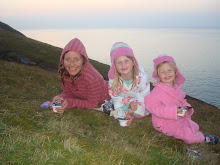
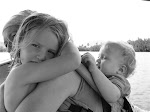.jpg)